


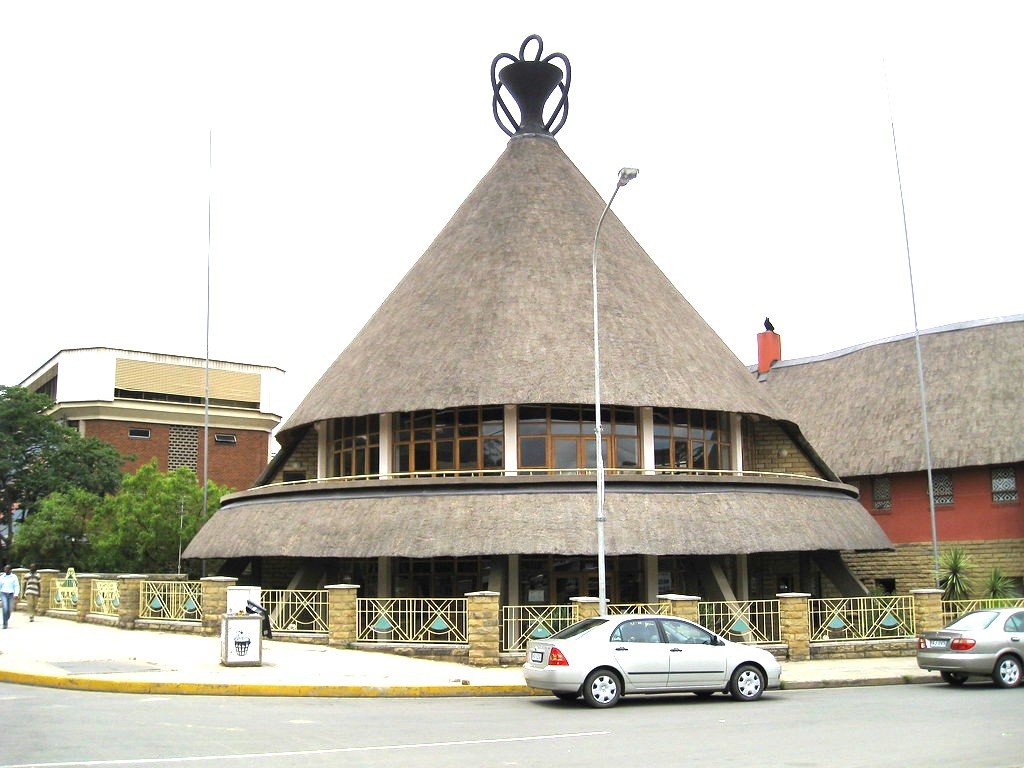
Starting a small business as a sole proprietor in Lesotho is one of the fastest, lowest‑cost ways to move from idea to income. This guide walks you through the legal steps, required documents, common pitfalls, and practical steps on how to register a sole proprietorship in Lesotho confidently and start trading.
Quick overview What is a sole proprietorship in Lesotho
A sole proprietorship (also called a sole trader) is an unincorporated business owned and run by one person. It is not a separate legal entity from the owner, which means the owner has full control but also unlimited personal liability for business debts. The Business Licensing and Registration Act 2019 governs business registration in Lesotho and requires most businesses to register with the Ministry of Trade and the One‑Stop Business Facilitation Centre.
Who should choose a sole proprietorship?
| Good Fit | Micro‑enterprises, freelancers, market traders, small service providers, and side businesses with low startup risk. Pros: simple setup, low fees, minimal ongoing corporate compliance. Cons: personal liability, harder to raise capital, and limited tax planning options compared with a private company. |
| Pros: | Simple setup, low fees, minimal ongoing corporate compliance. |
| Cons: | personal liability, harder to raise capital, and limited tax planning options compared with a private company. |
Step‑by‑step registration process
Step 1: Choose a business name and check availability
Pick a clear, memorable name and check the companies register and business name rules to avoid conflicts. The Office of the Registrar and the online Companies Registry let you search existing names and lodged entities. If a name is already used or too similar to a registered company, you will need to choose another.
Step 2: Complete the Business Licensing and Registration form
Obtain the Business Licensing and Registration form from the Ministry of Trade or the One‑Stop Business Facilitation Centre. The Business Licensing and Registration Act 2019 sets out the registration requirement and the forms you must complete for a business identity document and, where applicable, a foreign business permit.
Step 3: Submit required documents and pay fees
Typical documents include: national ID or passport, proof of address, completed registration form, and a brief business description. Fees vary by business type and whether you submit online or in person. The One‑Stop Business Facilitation Centre accepts manual lodgements if you cannot use the online system. Good News is that SME’s Startups and small businesses no longer need to pay registration fees, removing barriers to formalization, following the Government of Lesotho’s declaration of Youth Unemployment as a National Disaster back in June 2025.
Step 4 Register for tax and payroll where applicable
After registering your business identity, register with Revenue Services Lesotho for tax purposes. If your annual taxable turnover exceeds the VAT registration threshold you must register for VAT; employers must register for PAYE when they hire staff. The Revenue Services Lesotho guide explains who must register and the filing obligations for new businesses.
Step 5: Obtain sector licenses or permits if required
Certain activities need additional permits, such as trading licenses, health and safety permits, or export documentation. Check sector‑specific rules before you start trading to avoid fines or forced closures. The Business Licensing Act and its regulations list activities that require special permits.
Step 6: Open a business bank account and set up bookkeeping
Open a separate bank account in the business name where possible. Banks typically require your registration documents, ID, and proof of address. Start simple bookkeeping from day one: record sales, receipts, and expenses to make tax filing and VAT claims straightforward. Practical payroll and employer setup guides can help if you plan to hire.
Step 7: Display license and comply with local regulations
Once registered, display any required business license at your premises and keep copies of registration and tax documents. Maintain records for the statutory period and meet filing deadlines to avoid penalties.
Documents checklist
- Completed Business Licensing and Registration form
- National ID or passport (owner)
- Proof of residential address (utility bill or affidavit)
- Business description (one paragraph)
- Proof of payment of registration fee
- Sector permits (if applicable) such as trading license, health permit, export permit
- Tax registration confirmation from Revenue Services Lesotho (VAT/PAYE where applicable)
- Bank account opening documents (for business account)
- Basic bookkeeping records template (sales, expenses, receipts)
Common pitfalls and how to avoid them.
- Choosing a name that conflicts with an existing company. Always search the online registry first.
- Delaying tax registration. Register for VAT and PAYE promptly when thresholds are met to avoid penalties.
- Operating without required sector permits. Check the Business Licensing and Registration Regulations for regulated activities.
- Mixing personal and business finances. Open a separate bank account and keep clear records to protect your personal finances and simplify tax filing.
Next steps after registration
- Consider simple insurance such as public liability or equipment cover.
- Adopt basic accounting software or a ledger to track VAT and income tax obligations.
- Create simple contracts for suppliers and customers to reduce disputes.
- Plan for growth: if you expect to scale, consult an accountant about converting to a private company to limit liability and improve access to finance.
Frequently asked questions
How long does registration take?
Processing times vary by submission method and completeness of documents; online lodgements are typically faster, while manual submissions at the One‑Stop Centre may take longer.
What are the fees to register a sole proprietorship?
Short answer: Expect about M500 for registration plus a small name reservation fee of around M30, though exact amounts vary by business type and submission method.
Fee breakdown
Name reservation: ~M30.
Business registration (sole trader): ~M500 (this is the typical registration fee; the name reservation fee is additional).
Estimated total at registration: ~M530 (registration + name reservation).
Exemptions and notes
Youth‑owned businesses: Recent reforms may exempt youth‑owned businesses from registration and licensing fees for up to three years.
Variability: Fees can change by business category, whether you file online or in person, and due to policy updates.
Recommendation: Confirm current fees and any temporary exemptions with the One‑Stop Business Facilitation Centre (OBFC) or the Ministry of Trade before you submit.
Do I need a separate tax registration after registering my business?
Yes. Register with Revenue Services Lesotho for income tax and register for VAT or PAYE when thresholds or employment obligations apply.
Can a foreign national register a sole proprietorship in Lesotho?
Foreign nationals may operate businesses but must comply with the Business Licensing and Registration Act and may need a business permit; check the Act and Ministry guidance for specific requirements.
When should I switch from sole proprietorship to a private company?
Consider switching when liability risk grows, when you need outside investment, or when tax planning and credibility benefits of incorporation outweigh the extra compliance costs.
Final Notes and CTA
Registering a sole proprietorship is a practical first step for many entrepreneurs in Lesotho. Follow the steps above, prepare your documents, and use the One‑Stop Business Facilitation Centre and the online Companies Registry to speed up the process. For a detailed walkthrough on registering a private company in Lesotho, read our full guide “7 Steps on How to Register a Company in Lesotho: A Comprehensive Step‑by‑Step Guide” to learn the next steps, costs, and compliance requirements.